Source Recyclable Kraft Cardboard Jewelry Box for Gifts
Explore 30 options for a recyclable kraft cardboard jewelry box tailored for jewelry, gifts, and cosmetic packaging. Compare specifications such as size, weight, and logo printing capabilities to find the right supplier for your business needs; compare the available evidence and request quotations based on your requirements.
Key considerations
Products List
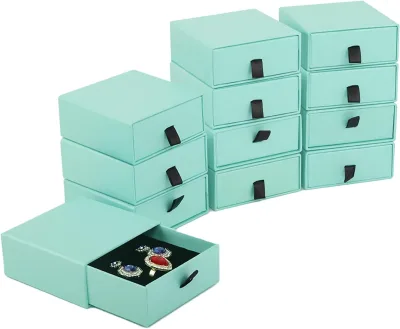


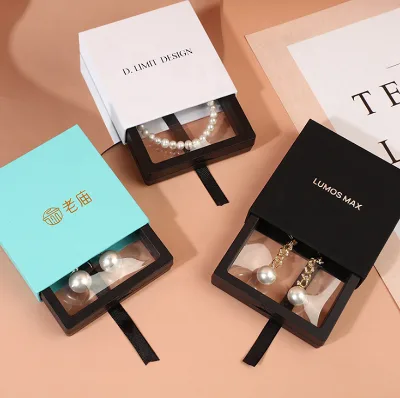


Comprehensive Sourcing Guide
Recyclable Kraft Cardboard Jewelry Box Sourcing Guide
Buyers seeking recyclable kraft cardboard jewelry boxes must first distinguish between general paper packaging and specific kraft-grade materials, as the supplied data indicates a mix of art paper, corrugated paper, and standard cardboard options. While the core keyword emphasizes kraft, observed listings frequently feature art paper and generic cardboard variants, requiring careful verification of the actual fiber composition to ensure the desired sustainability profile. Procurement teams should prioritize suppliers who explicitly confirm the use of recycled or unbleached kraft fibers rather than relying on generic "paper" or "cardboard" descriptors found in standard product titles.
The observed market signals reveal a diverse range of customization capabilities, including logo printing and specific shape configurations like square or rectangle forms, which directly impact the final recyclability of the finished unit. Buyers must scrutinize surface handling claims, as some listings mention beverage-specific treatments or non-standard printing pages that may compromise the paper's ability to be recycled in standard municipal streams. It is essential to request physical samples that demonstrate the material's texture and weight, ensuring the product meets the structural integrity needed for jewelry protection while maintaining the environmental benefits of a recyclable kraft base.
Product Scope and Observed Listing Signals
The current market landscape for jewelry packaging includes a wide spectrum of applications ranging from simple single-item units to complex multi-component sets, with observed listings covering uses in arts and crafts, cosmetics, and general gift-giving. While the core focus is on jewelry, the data shows that many suppliers list these boxes for broader applications including food, electronics, and garment packaging, which suggests a need to verify that the specific product selected is optimized for jewelry protection rather than generic utility. Buyers should look for specific model numbers like HDX2256 or FPG000013 to trace the exact specifications of the item they intend to purchase.
Listing signals indicate significant variability in packaging formats, with some items shipped in independent logistics packaging while others utilize simple OPP bags, which affects the overall sustainability footprint of the delivery. The observed selling units often default to single items, yet the minimum order quantities (MOQ) range widely from as low as 2 pieces to 3000 units, allowing flexibility for both prototyping and large-scale production runs. Procurement teams must align their order volume with the supplier's specific MOQ structure to avoid unnecessary costs while ensuring the product meets the required customization needs for branding and design.
Technical Specifications to Verify
When evaluating technical specifications, buyers must confirm the exact paper type, as the data distinguishes between art paper, corrugated paper, and standard cardboard, each offering different structural properties for jewelry containment. The observed standard dimensions include specific measurements such as 6cm width, but many listings also categorize sizes simply as small, middle, or large, necessitating a request for precise dimensional drawings to ensure the box fits the intended jewelry items securely. Weight specifications vary significantly, with some products exceeding 1.5 kg while others are under 0.5 kg, a critical factor for shipping cost calculations and the perceived quality of the packaging.
Surface handling and printing capabilities are equally critical, with some listings noting two-sided printing and custom color options, while others mention specific surface treatments like beverage-grade handling that may not be suitable for jewelry. The shape of the box, whether square or rectangular, must be verified against the product model number to ensure consistency with the brand's aesthetic requirements. Buyers should explicitly request a material composition sheet to confirm the presence of kraft fibers and ensure that any inks or adhesives used do not interfere with the recyclability of the cardboard substrate.
Compliance and Safety Documentation
Compliance verification is essential when sourcing packaging that claims to be recyclable, as the supplied data references standards such as ISO and HACCP, which are typically associated with food safety rather than general paper packaging. Buyers must clarify whether these certifications apply to the specific jewelry box model or if they are generic claims for the supplier's broader product line, as the application of food-grade standards to jewelry packaging may be irrelevant or misleading. It is crucial to request specific documentation regarding the recyclability of the materials, ensuring that the product meets local environmental regulations and does not contain prohibited substances.
The presence of FSC certification is mentioned in the background data, but its status for specific products remains unconfirmed, requiring buyers to ask for valid certificates before placing large orders. Safety documentation should also address the physical integrity of the packaging, ensuring that the box can protect delicate jewelry items during transit without the need for excessive secondary packaging. Procurement teams should verify that the supplier can provide test results or third-party assessments confirming that the packaging materials are free from harmful chemicals that could damage the jewelry or pose risks to end consumers.
Cost Drivers and Commercial Terms
Cost drivers for recyclable kraft cardboard jewelry boxes are heavily influenced by the material composition, customization level, and order volume, with observed prices ranging from $0.01 to $3.50 per unit depending on the specific model and features. The inclusion of logo printing and custom colors adds to the production cost, while the choice between art paper and corrugated paper significantly impacts the final price point. Buyers should analyze the trade-off between higher material costs for premium kraft options and the potential savings from bulk ordering, keeping in mind that the MOQ can vary from 2 pieces to 3000 units.
Commercial terms regarding shipping and logistics are also critical, as observed listings offer various courier options including DHL, UPS, FedEx, and EMS, which can drastically affect the total landed cost. The packaging method, whether independent logistics packaging or simple OPP bags, influences both the shipping weight and the risk of damage during transit, which in turn affects insurance and replacement costs. Buyers must negotiate clear terms for lead times and payment schedules, ensuring that the supplier can meet delivery deadlines without compromising the quality of the recyclable materials or the customization details.
Supplier Qualification and Quality Control
Supplier qualification requires a thorough review of the manufacturer's location and production capabilities, with observed origins including Zhejiang, Shenzhen, and Shanghai, each offering different logistical advantages and cost structures. Buyers should verify the supplier's ability to maintain consistent quality across large production runs, as the data indicates a wide range of product models and specifications that may require different production lines. It is essential to assess the supplier's track record in handling customization requests, ensuring they can deliver precise logo printing and specific shape requirements without errors.
Quality control processes must be robust, with a focus on verifying the structural integrity of the cardboard and the accuracy of the dimensions for each batch. Buyers should implement a sampling plan that tests the weight, strength, and surface finish of the boxes to ensure they meet the specified standards and are suitable for jewelry packaging. Regular audits of the supplier's production facility can help identify potential issues with material sourcing or manufacturing processes, ensuring that the final product remains consistent with the recyclable kraft cardboard requirements and brand expectations.
Long-Term Procurement Checks
Long-term procurement checks should focus on the supplier's ability to maintain a consistent supply of recyclable materials, as market fluctuations in paper prices and availability can impact production schedules and costs. Buyers must establish a relationship with the supplier that includes regular reviews of material certifications and sustainability claims, ensuring that the product continues to meet environmental standards over time. It is also important to monitor the supplier's performance in terms of delivery times and quality consistency, as any deviations can disrupt the supply chain and affect the brand's reputation.
Continuous improvement initiatives should be encouraged, with buyers working alongside suppliers to explore new technologies or materials that enhance the recyclability and functionality of the jewelry boxes. Regular feedback loops can help identify areas for optimization, such as reducing packaging waste or improving the durability of the cardboard. By maintaining a proactive approach to supplier management, buyers can ensure a stable and sustainable supply chain that supports their long-term business goals and environmental commitments.
FAQs
Can custom jewelry boxes include logo printing?
Yes, custom jewelry boxes support logo printing services. The product page confirms that logo printing is available for these items. Buyers can choose from various paper types such as art paper or corrugated paper. This customization allows brands to enhance packaging visibility. The service is suitable for jewelry, gifts, and arts and crafts applications.
What is the minimum order quantity for these boxes?
The minimum order quantity is listed as 2 pieces for some items. Other listings show an observed MOQ range of 10 to 3000 units. This flexibility allows small buyers to test samples or large buyers to order bulk. The specific MOQ depends on the chosen model and customization requirements. Buyers should verify the exact quantity with the supplier before ordering.
Which paper materials are used for these boxes?
These boxes are primarily made from paper and cardboard materials. Specific types include art paper and corrugated paper. The material choice depends on the desired durability and aesthetic. Paper boxes are suitable for jewelry, gifts, and cosmetic packaging. The material ensures quality while allowing for various printing and customization options.
How are the boxes packaged for shipping?
The boxes are packaged using independent logistics transportation packaging. Some items are packed in OPP bags for protection. This ensures safe delivery during transit. The packaging method helps prevent damage to the product. Buyers can expect secure handling for both small and large orders. The packaging is designed for efficient logistics transportation.
What are the typical dimensions of these boxes?
Dimensions vary by model, with some specified as H 6cm Width 6cm. Sizes range from small to middle dimensions. Weight categories include items under 0.5 kg and over 1.5 kg. Shapes include square and rectangle formats. Buyers should check the specific model number for exact size details. The dimensions are tailored for jewelry and gift packaging needs.
Where are these jewelry boxes manufactured?
These boxes are manufactured in Zhejiang and Shenzhen, China. Some products originate from Shanghai, China. The location indicates a strong manufacturing base in China. Buyers can expect efficient production and shipping from these regions. The origin supports the availability of factory prices and high-quality materials.